TikTok is no longer just a short-form awareness channel.
25/02/26
TikTok is no longer just a short-form awareness channel.
In 2026 it functions as:
A discovery engine.
A search engine.
A demand engine for commerce.
People don’t just scroll TikTok.
They research on TikTok.
And increasingly, they decide there.
1. What Actually Changed
Three structural shifts matter.
1. Watch time now dominates
Completion rate.
Re-watches.
Session time.
One high-retention video per week now outperforms seven low-quality daily posts.
Distribution is no longer about frequency.
It’s about depth.
If people stay, TikTok scales you.
If they swipe, it buries you.
2. Niche > Variety
Accounts that stay tightly focused on 1–2 topics see significantly higher reach.
Accounts jumping across unrelated themes lose reach fast.
TikTok clusters creators into micro-niches.
You are either the answer to a specific question, or you are noise.
Generalist content is becoming invisible.
3. Human > Synthetic
Mass-produced AI content is being down-ranked.
Synthetic voiceovers.
Template farms.
Obvious automation.
TikTok is rewarding story, personality, and lived experience.
The algorithm can detect low-signal repetition.
Authenticity is not a creative preference.
It is now a distribution lever.
2. TikTok as a Search and “Why to Buy” Engine
Users arrive in discovery mode.
They search:
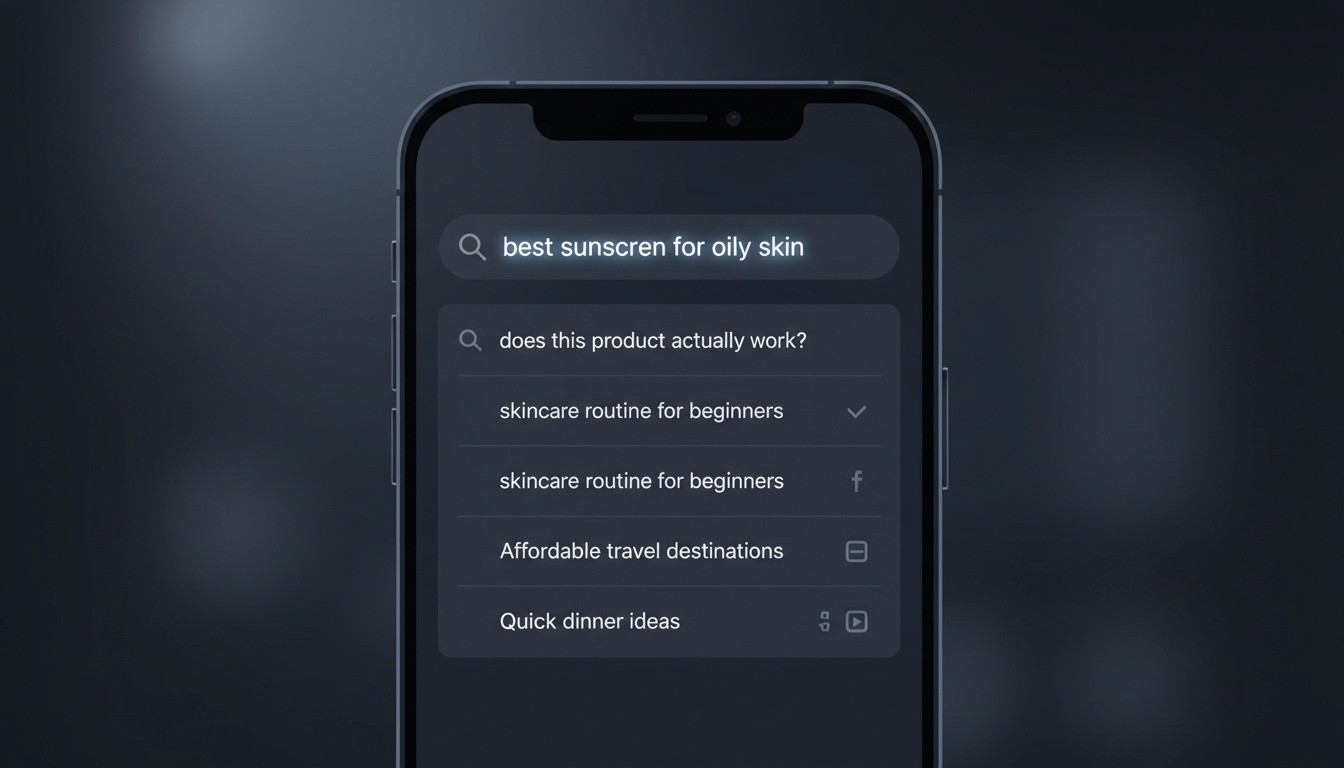
“Best sunscreen for oily skin”
“Budget founder software stack”
“NYC brunch worth it?”
“Does this actually work?”
They scan comments.
They compare creators.
They look for pros and cons.
This is not passive scrolling.
This is active validation.
Increasingly, people hear about a product elsewhere and then come to TikTok to answer:
Is this legit?
Is this for someone like me?
Why this over alternatives?
TikTok is where hype gets tested.
That makes it mid-funnel by default.
3. TikTok Shop Is Infrastructure Now
TikTok Shop is no longer experimental.
It is a structured demand layer.
Top performers use:
Creator-led live shopping
High-trust niche creators
Bundles
Storefront integrations
Cross-platform routing into Amazon and DTC
TikTok often creates the demand.
Marketplaces capture the transaction.
Discovery and validation happen on TikTok.
Checkout may happen elsewhere.
Brands that separate those roles clearly win.
4. How Creators Should Operate in 2026
1. Pick a lane
Own a category.
Be known for a specific problem.
Not “lifestyle.”
Not “business.”
A problem.
2. Design for completion
Strong hook.
Clear promise.
Tight payoff.
Aim for high average watch time and re-watchability.
Distribution follows retention.
3. Think like search
Script and caption for specific queries.
Answer questions people actually type.
Use precise hashtags, not volume.
4. Treat TikTok as the front door
Route attention somewhere deeper.
YouTube for depth.
Newsletter for relationship.
Storefront for commerce.
TikTok should open loops.
Other platforms should close them.
5. How Brands Should Use TikTok
1. Brief for “why to buy”
Not just aesthetic shots.
Ask creators to show:
Real use
Context
Pros and cons
Alternatives
Users expect receipts.
2. Build around search demand
Identify the actual questions in your category.
Coordinate TikTok with SEO and PR so authority compounds across surfaces.
3. Separate awareness from demand
Some content drives reach.
Some content drives validation.
Some content drives purchase.
Don’t expect one video to do all three.
4. Prioritise commerce signals
Look beyond views.
Focus on:
Conversion
Live shopping performance
Comment quality
Saves
Re-watches
Volume without intent is expensive.
The Strategic Bottom Line
TikTok in 2026 is not just attention.
It is:
Discovery
Validation
Commerce acceleration
It is where people ask:
What is this?
Does it work?
Is it for me?
If your brand or creator strategy cannot answer those clearly, distribution won’t save you.
The new question isn’t:
“How viral did this go?”
It’s:
“Did this move someone closer to buying?”