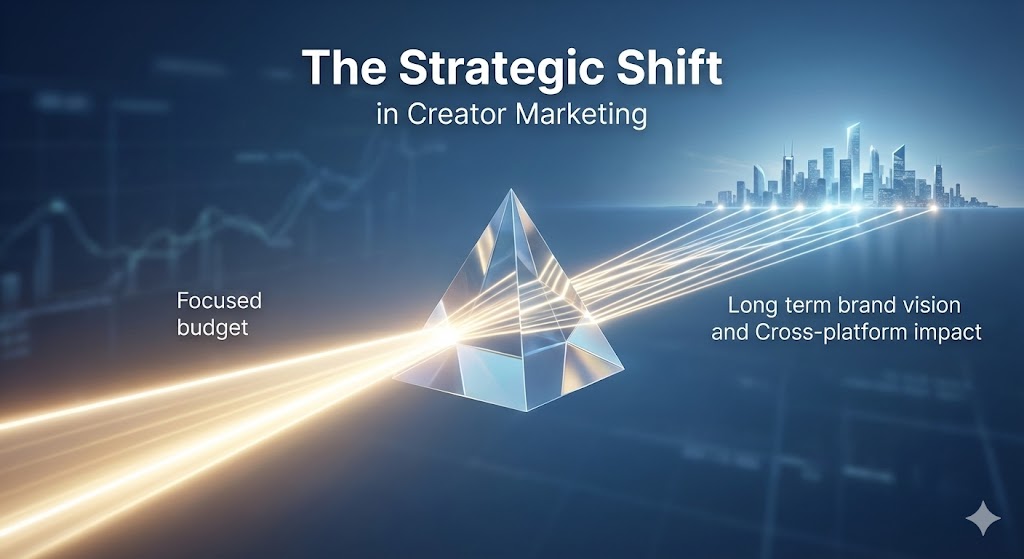
How brands are structuring creator spend now, and what they are actually buying from creators.
4th December 2025
The New Creator Budget Playbook
THIS WEEK'S BRIEF:
Creator marketing is no longer an experiment line in the budget. It sits alongside paid media, production and PR as a core channel.
What is changing is the shape of that spend.
This edition looks at how brands are allocating creator budgets right now, what they are actually buying from creators, and how to position for the next planning cycle.
Signal Not Noise: How Budgets Are Being Structured
Over the last few years, many brands tested one-off influencer posts and short, tactical campaigns. That fragmented approach is now giving way to a more focused model built around a smaller number of clearer principles.
The first is a shift towards fewer but deeper partnerships. Instead of spreading budget thinly across dozens of creators for single posts, brands are looking for long-term, ambassador-style relationships. They want faces that can stay with the brand across seasons, not just deliver a brief spike of attention.
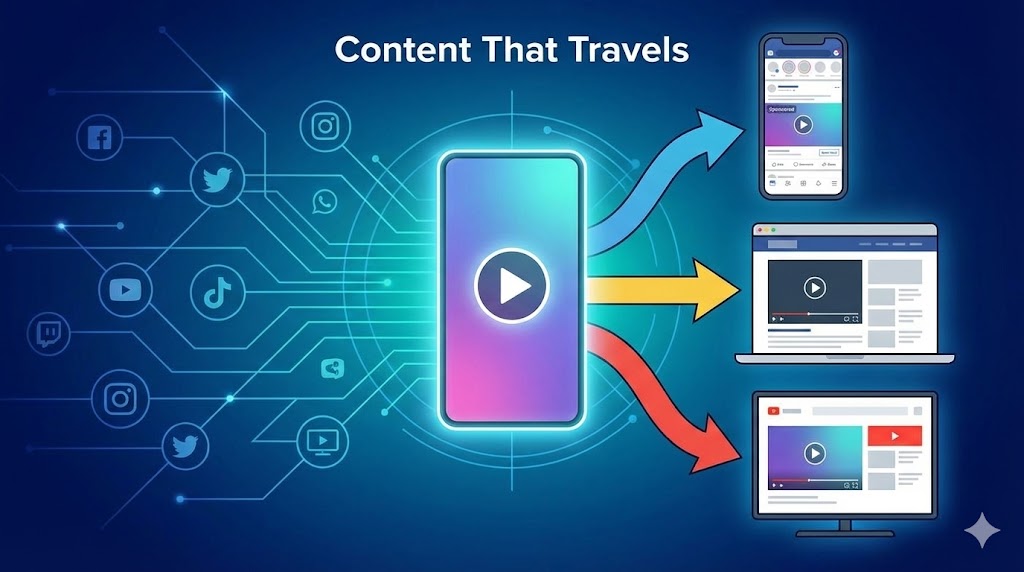
The second is an emphasis on content that travels. Vertical video has become a primary source of creative for paid social. Budgets are allocated not just to traditional influence, but to creator-led assets that can be run as advertising across TikTok, Instagram and YouTube. A single, well-thought-out concept is expected to live across multiple placements and formats.
The third is performance accountability. Awareness is still relevant, but more briefs now reference concrete measures such as cost per result, tracked links, landing-page behaviour and uplift over time. Creators are being evaluated alongside other media channels, not treated as something separate and unmeasured.
In short, budgets are becoming less about buying a certain number of posts and more about working with creators who can deliver content and outcomes across platforms.
2. Creator Playbook: How to Position for This Shift
For creators, these changes have clear implications.
Relying on a single platform is increasingly fragile. A presence that spans TikTok, Instagram and YouTube, supported by a clear content system, signals stability to brands that are looking for partners rather than isolated placements. A profile that only exists on one channel can still attract work, but creators who can execute across multiple platforms naturally sit closer to the centre of a brand’s plan.
Creators who understand the language of performance also stand out. Being able to talk about hooks, watch time, retention, click-through and conversion moves the conversation from “I have reach” to “Here is how my content behaves when it is put in front of people.” That makes it easier for marketing and procurement teams to justify meaningful budget.
Repeatable formats are another advantage. A recognisable series that can run monthly or quarterly is easier to renew and scale than a single, isolated idea. When a creator behaves more like a media product, with clear episodes, recurring segments and predictable delivery, brands can plan around them.
The creators who secure the most stable and substantial deals in this environment will be the ones who can demonstrate that structure: consistent formats, multi-platform distribution and a clear understanding of how their work performs.
Trend Watch: What Brands Are Actually Buying
Certain patterns are appearing again and again in briefs and campaign recaps.
Many campaigns are now designed around vertical-first production. Short-form, portrait video is treated as the primary asset, with stills and longer edits created from that material rather than the other way round.
Direct-to-camera and point-of-view storytelling has become a default language. Clear explanations, simple narratives and conversational delivery are being used both for organic content and for performance creative.
There is also growing demand for native-feeling content that can be deployed from the brand’s own ad accounts. Product demonstrations, straightforward how-to sequences, reactions and testimonial-style pieces are being commissioned even when the creator’s personal brand is not front and centre.
Series and franchises are becoming more common. Rather than booking a single insertion, brands are commissioning ongoing review formats, regular check-ins or recurring challenges that can run over a quarter or longer. That structure makes it easier to track performance and refine the creative over time.
Alongside this, many campaigns are built around a mixed roster. A small number of anchor creators carry the narrative and long-term association, while a wider group of micro-creators is used to test variations and scale what works.
Across all of these developments, budgets are following systems, formats and repeatable structures rather than simply following the largest follower counts.
5. Platform Priorities: Where Creator Spend Sits in the Mix
The exact media mix varies by brand and category, but some directions are clear.
TikTok has become the default environment for rapid awareness and creative testing. A slice of budget is often reserved for boosting and whitelisting creator content so that strong organic pieces can be amplified in paid.
Instagram remains central for social proof and ongoing presence. Reels and Stories carry much of that work, combining reach with a more polished representation of the brand in an environment that still functions as a shopfront for consumers, buyers and partners.
YouTube is increasingly used when the goal is to influence considered purchases or higher-value decisions. Long-form integrations, dedicated videos and Shorts that lead into them allow brands to tell a more complete story and capture audiences deeper in the decision journey.
In practice, budgets are not choosing a single winner. They are being used to buy a portfolio of placements that work together: quick discovery, sustained presence and deeper explanation.
6. For Brands: Making Creator Budgets Work Harder
For marketing teams, a few principles make creator budgets more effective in this context.
The first is designing campaigns around clear objectives and success measures, rather than starting with a fixed list of deliverables. When the outcomes are defined early, decisions around the number of creators, platforms and formats become more straightforward.
The second is thinking in terms of assets that can be reused. Content captured with creators should be able to live in organic feeds, in paid campaigns and, when appropriate, in email and on-site journeys. This multiplies the value of each partnership.
The third is building smaller, longer-term rosters. Working repeatedly with a core group of creators allows messaging, creative and performance to improve over time instead of resetting with every campaign.
Finally, the most effective teams leave deliberate room for experimentation. Creators are close to their audiences and often know when a different angle or variation is needed. Allowing space for that judgement tends to produce better results than overly rigid briefs.
When the line between influencer marketing, content production and paid media is intentionally blurred, creator spend begins to behave less like an add-on and more like an integral part of the media plan.
7. Closing the Brief
Creator marketing today is less about who is loudest in a given week and more about who can plug into a brand’s wider system and move meaningful numbers.
For creators, that means building repeatable formats, understanding performance and being able to work across platforms. For brands, it means treating creators as strategic media partners rather than one-off line items.
You can now tailor the final call to action to your own voice, whether that is an invitation to review the next phase of creator strategy or an open door for creators who want to reposition how they present themselves to brands.