Why “being big on socials” is no longer the pitch
11/12/2025
The 6 Creator Archetypes Brands Will Invest In Next Year
Why “being big on socials” is no longer the pitch
Budgets are getting more accountable.
Creators are getting more sophisticated.
Marketing teams are under pressure to justify every line in a media plan.
In that environment, brands are no longer asking:
“Which creator looks the coolest on Instagram?”
They’re asking:
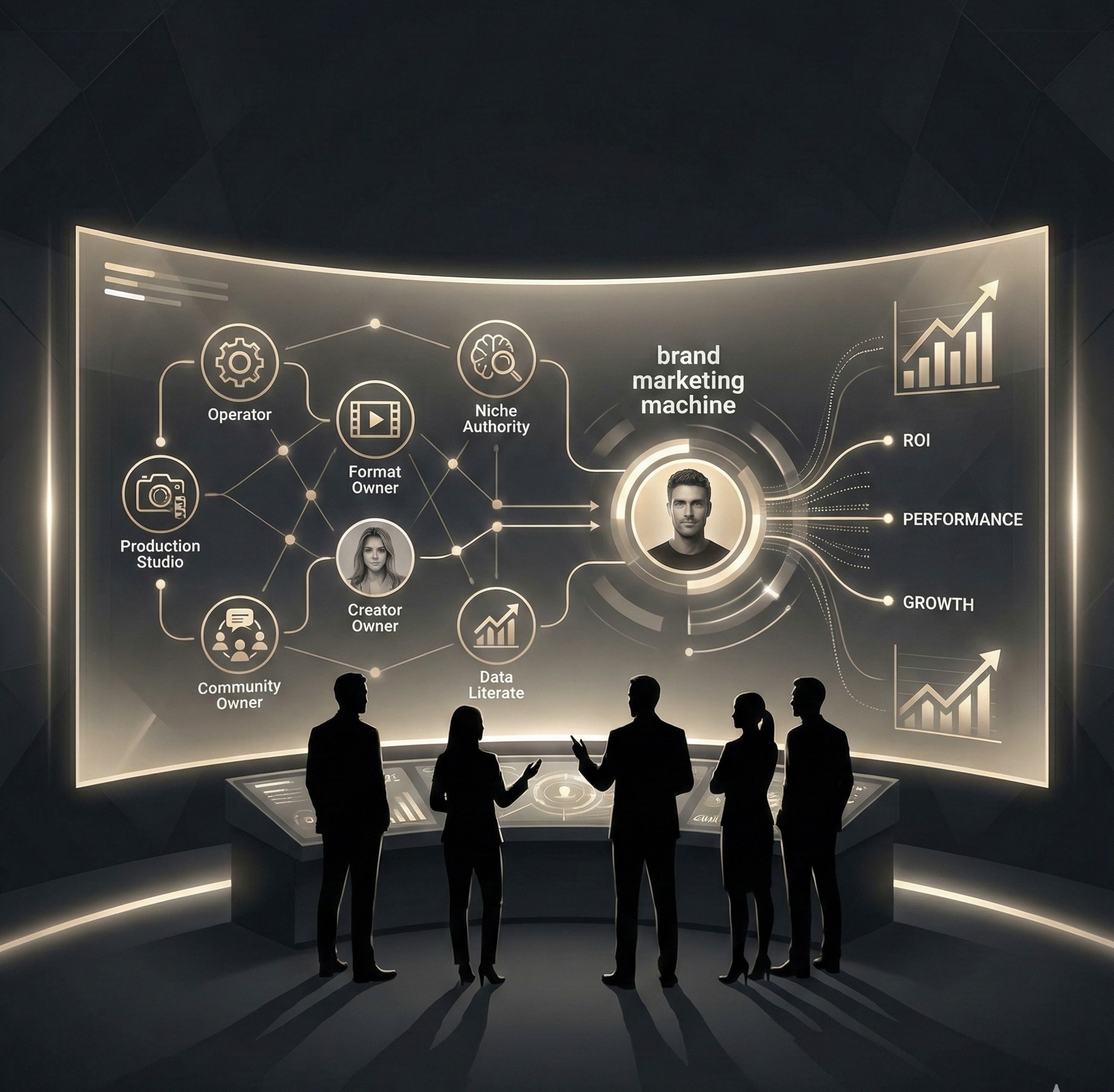
“Who can sit inside our marketing machine and actually help it perform?”
The gap between those two questions is where next year’s winners live.
Below are the six creator archetypes brands will quietly move more money toward in the next twelve months.
1. The Operator
The “zero-friction” partner
The first shift is simple: brands are tired of chaos.
They still want personality, point of view and flair. But they’re increasingly choosing the people who pair that with boring reliability behind the scenes.
The Operator runs their channel like an owner, not like talent who just turns up when they feel inspired.
They:
Answer emails like a professional
Read briefs properly and challenge them before shooting
Send content on time, in the right formats, without needing three reminders
Handle usage, invoicing and reporting without drama
Why this wins:
From the outside, this looks small.
Inside a brand, it’s the difference between:
“That was painful, never again,”
and
“That was easy, let’s double the budget.”
Operators don’t just get booked; they get renewed.
2. The Format Owner
IP over feed
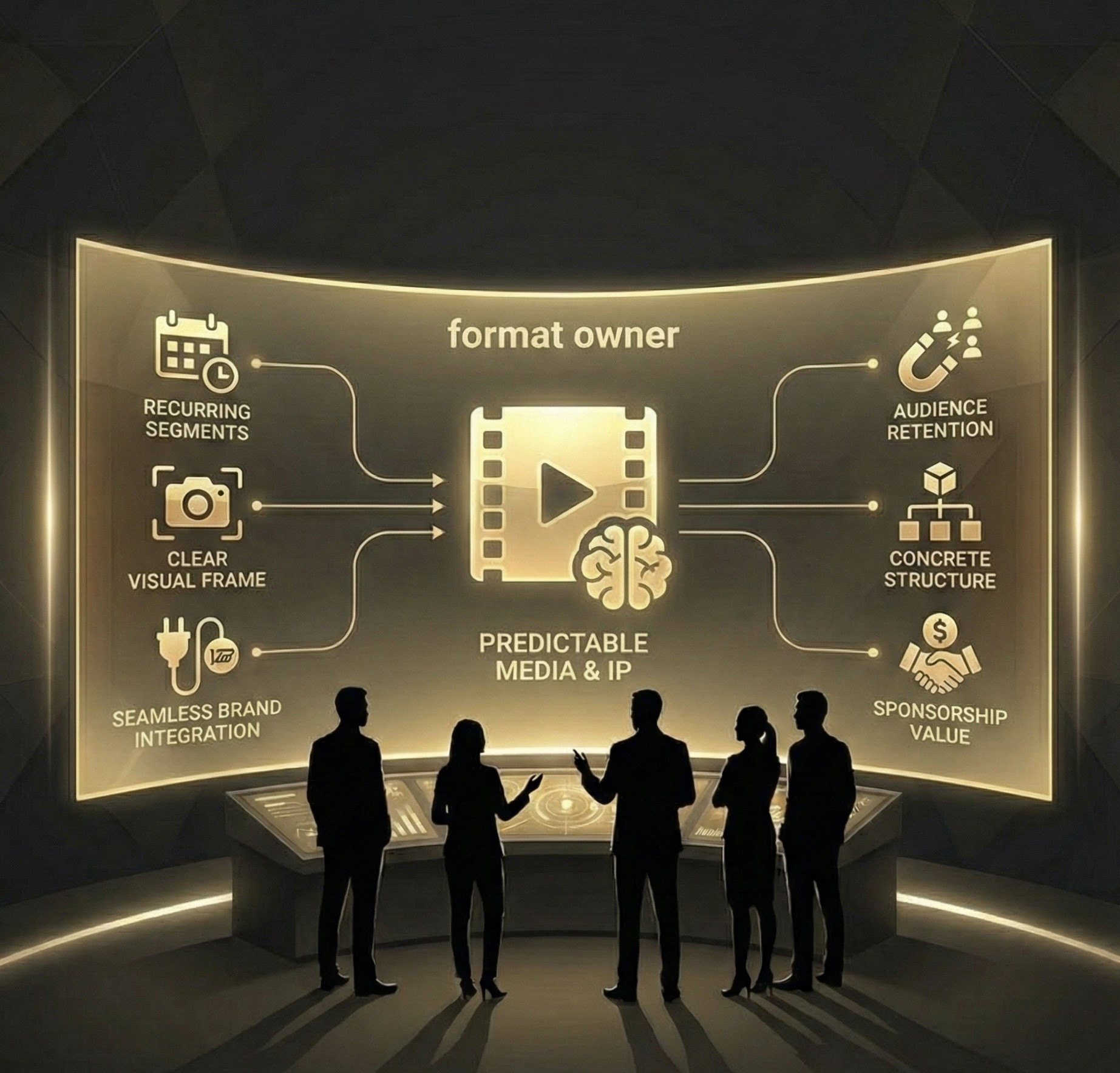
There’s a reason brands love predictable media. Shows, series and recurring formats train an audience to come back.
Format Owners treat their content like a slate, not a random stream of consciousness.
They have:
Recurring segments (e.g. Tech Tuesdays, The Friday Taste Test, Founder Hot Seat)
Clear visual and narrative frames for each series
Rules for what the format is and isn’t — so the audience knows what they’re getting
Space within that format where a brand can plug in without breaking trust
Why this wins:
Brands can’t “buy” a personality. They can sponsor a show.
Formats give a brand something concrete to attach themselves to: a recurring slot, a recognisable segment, a mini-franchise. That’s much easier to budget for, extend, and track over time than one-off posts.
3. The Niche Authority
Depth over width
In 2026, “Lifestyle” is a dangerous category. It’s too broad and too crowded.
Brands are quietly shifting budget away from generalist lifestyle influencers (1M followers, low trust) towards niche authorities (50k followers, high trust).
Think:
The dermatologist explaining barrier repair > the beauty vlogger doing a haul
The interior architect explaining lighting > the generic home décor influencer
The tax specialist unpacking allowances > the “rich life” aesthetic page
Niche Authorities are experts. They understand the category, the objections, the language and the stakes.
Why this wins:
Authority converts.
Brands are happy to pay a higher effective CPM for a smaller audience if:
That audience is highly qualified
They actually listen
The creator’s recommendations move behaviour, not just fill comment sections
For categories with complexity or risk (finance, health, skincare, B2B, etc.), niche authority will beat broad clout every time.
4. The Production Studio
High-res asset creation
This is the sleeping giant in the creator economy.
Brands are realising that certain creators can produce content cheaper, faster and more natively than traditional production routes and that the real gold isn’t always the post, it’s the assets.
Production Studio creators pitch themselves as production partners first, distribution partners second.
They:
Shoot in 4K / log and understand lighting and sound
Deliver multiple hook variations and cutdowns, not just one final video
Provide organised folders: raw b-roll, clean product shots, UGC-style variants
Think in terms of “ad creatives” and “evergreen assets”, not just “my post”
Why this wins:
Even if their organic reach is modest, their ability to create performance creative for the brand’s own channels makes them indispensable.
One strong Studio creator can feed a brand’s ad account, landing pages and email flows for months, often for less than a single traditional TVC.
5. The Community Owner
The “algorithm-proof” creator
Brands know TikTok, Instagram and YouTube can change the rules overnight. Organic distribution is powerful, but volatile.
Community Owners de-risk that volatility by owning their audience off-platform.
They might have:
A newsletter / Substack with high open and click rates
A Discord, Geneva or Circle community with real daily interaction
A podcast with strong retention and listen-through
A close-friends style or membership tier with deeper engagement
These creators have multiple ways to reach their people that don’t depend on one algorithmic feed.
Why this wins:
It de-risks the investment.
If the algorithm tightens tomorrow, the brand still has a direct route to the audience they paid to access. And when a creator can integrate a message across feed, inbox, audio and community, the frequency and depth of impact go up dramatically.
6. The Data-Literate Creator
The feedback loop
The old model:
Brand sends brief → creator sends video → everyone moves on.
The 2026 model:
Brand and creator treat each other like collaborative partners inside the same feedback loop.
Data-Literate creators aren’t analysts, but they’re not allergic to numbers either.
They:
Are comfortable looking at dashboards
Ask: “Did people actually click / sign up / watch to the end?
Suggest new hooks or angles based on performance
Bring back qualitative insight from comments and DMs
Care about the result, not just how the post looked in their grid
Why this wins:
Brands don’t expect creators to be data scientists. They do expect them to care.
The creator who emails after a campaign with, “Here’s what I saw in my comments, here’s what your numbers say, here’s what I’d test next,” will almost always get the renewal over the one who just sends an invoice.
What to do with this if you’re a creator
If you strip this down, the pattern is clear:
Brands will put money into creators who act like businesses, not lucky individuals.
A few practical moves:
Tighten your back-end
How you scope, deliver, invoice and report is now part of your product. Make it boringly reliable.Productise your content
Stop selling “posts”. Start selling:Episodes
Series sponsorships
Asset bundles + usage rights
Decide your archetype
Are you primarily an Operator, Format Owner, Niche Authority, Production Studio, Community Owner or Data-Literate partner?
You can blend, but lead with one.Offer “usage-only” and “content-only” packages
If your views are inconsistent but your quality is high, position yourself as a content creator for their channels first, distribution second.Get off the single-platform hamster wheel
Start an email list, a community or a simple owned channel. Show brands you have direct access to your audience that doesn’t depend on one feed.
Next year, there will still be one-off viral moments and flashy campaigns.
But the serious, recurring revenue will flow to the creators who behave like operators, build ownable IP, understand their role in the funnel and make their partners’ lives easier.
Those are the creators brands will invest in.