How creators sell food and drink in 2026
09/03/26
Who this is for
F&B founders, CMOs and brand leads in CPG food, functional drinks and non-/low-alcohol.
Especially the ones still briefing creators like it’s 2018.
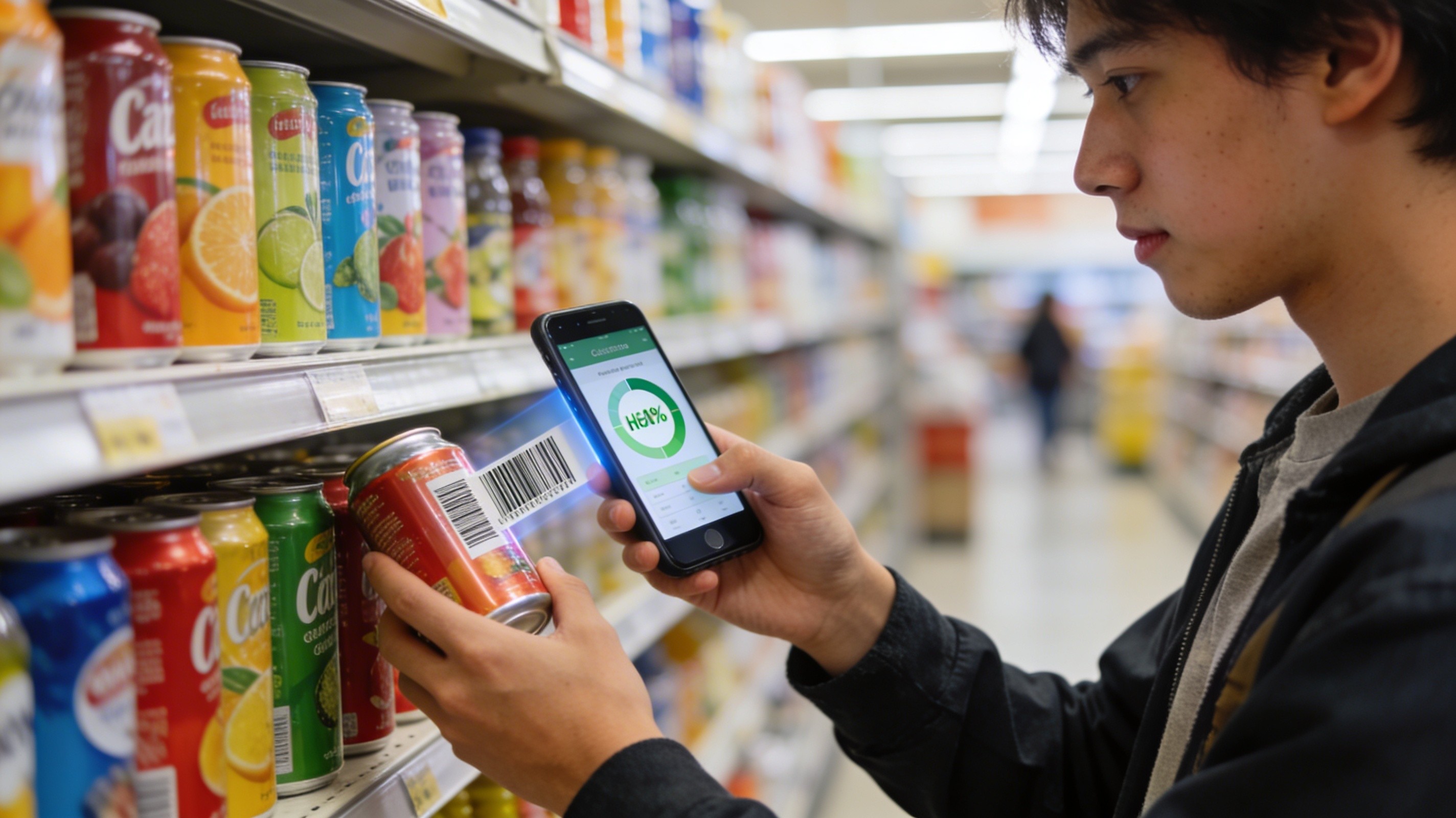
Because the customer standing in the aisle isn’t just looking at your pack anymore.
They’re scanning it.
Why this matters now
Three shifts are colliding.
First, scan apps.
Apps like Yuka and CodeCheck have normalised instant health scores at shelf. Millions of scans happen every day. Your product is being judged before your ad copy is even read.
Second, functional drinks are exploding.
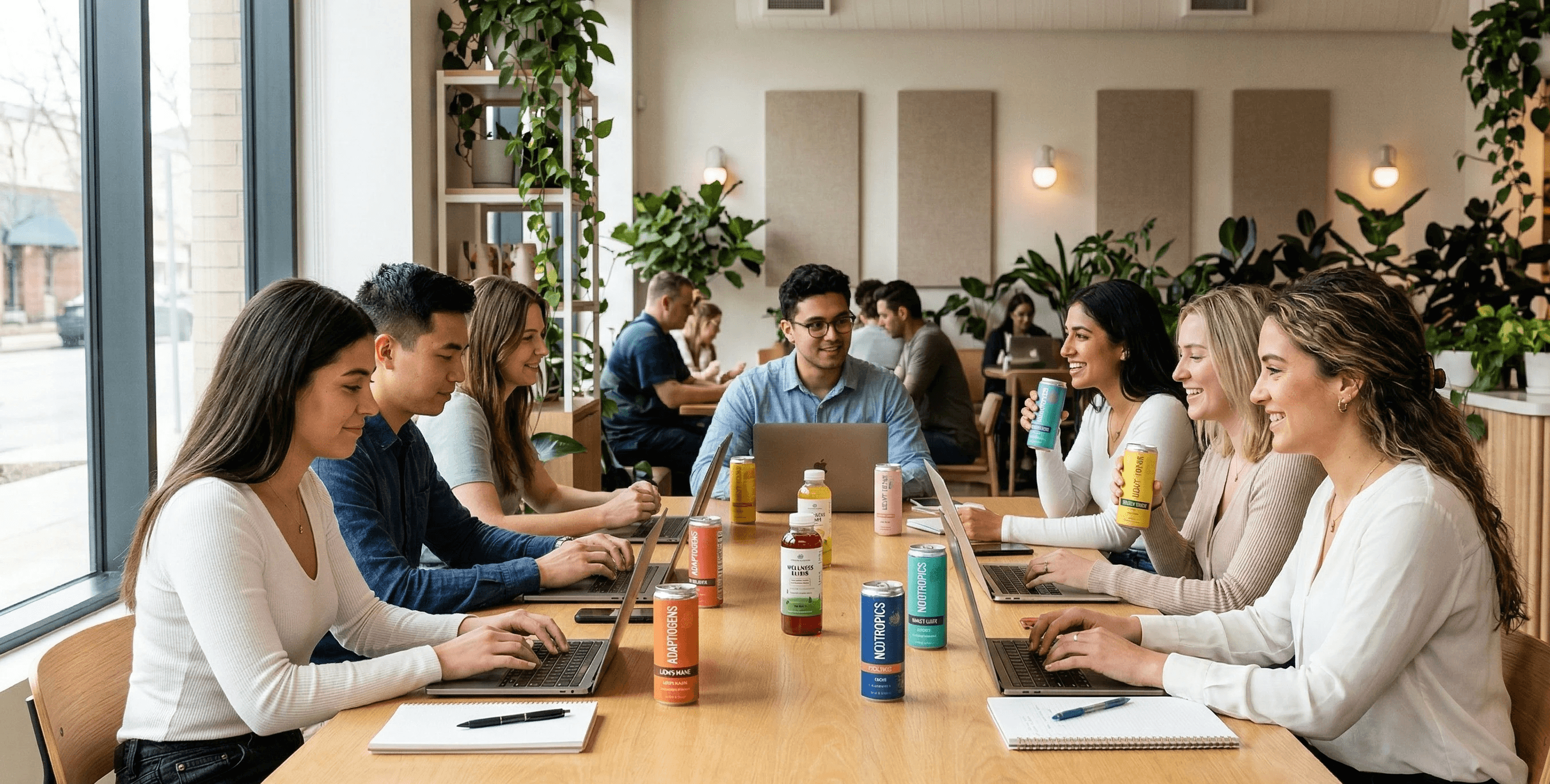
Gut health sodas. Adaptogen tonics. Nootropic drinks. Non-alcoholic spirits.
Every brand is promising calm focus, energy or a better night out.
Third, creators are the discovery layer.
Food and drink launches now break through short-form creator content, not supermarket end caps.
But most brands are still briefing creators for vibes and aesthetics, while shoppers are checking sugar, additives and ingredient lists on a second screen.
The result:
If your creator strategy doesn’t assume a scan-first shopper, you will lose to brands that do.
What’s changed in Food & Beverage
1. The rise of the scan economy
Health scanning apps score products instantly based on:
Nutrition
Additives
Ingredients
Sometimes organic status
Then they recommend healthier alternatives in one tap.
For consumers the behaviour is simple:
Barcode
Score
Swap suggestion
Especially among Gen Z and urban millennial shoppers.
Which means the real comparison is happening inside the scanner app, not on your packaging.
2. Functional drinks go mainstream
The fastest-growing drinks categories now sit between:
Wellness
Productivity
Nightlife
Adaptogens
Nootropics
Gut health sodas
Non-alcoholic spirits
These products don’t sell flavour.
They sell states:
Calm focus
Better sleep
Social without a hangover
Energy without a crash
As the category matures, consumers are becoming more sceptical.
Vague claims are out.
People want:
Mechanism
Dosage
Evidence
3. Creators are now label explainers
The best performing F&B creators don’t just sip a drink.
They explain it.
They show the label.
They scan the barcode.
They compare it to alternatives.
And with social commerce integrations, that video can now be:
The ad
The review
The checkout
All in the same flow.
How F&B brands should use creators in the scan economy
1. Build creator tiers around trust
Instead of “food creators”, build a stack.
Expert tier
Nutritionists
Dietitians
Bartenders
Sober-curious voices
People who can explain ingredients without triggering compliance problems.
Habit tier
“What I eat in a day”
Desk snack routines
Sober nights out
Where your product fits naturally into behaviour.
Occasion tier
Nightlife
Sport
Gaming
Festivals
Creators who own the moment where your drink belongs.
Education.
Habit.
Occasion.
That’s the creator stack.
2. Brief for scans and swaps
In 2026 every F&B brief should assume the viewer will scan the product after watching the video.
Shift the brief.
From:
Hold the can.
Talk about flavour.
To:
Show the label.
Scan the barcode.
Explain the score.
From:
“This is healthy.”
To:
“This supports gut health because it contains X ingredient and Y dosage.”
From:
One post.
To:
Mini arcs:
Taste test
Routine integration
Three-week follow-up
The rule is simple.
Show the receipts.
3. Turn scan apps into proof
Most brands treat scan apps as a threat.
Smart brands treat them as evidence.
If your score is strong:
Let creators show it.
If your score is average:
Be transparent.
Explain the trade-offs.
Explain where reformulation is happening.
Consumers already trust the scanner more than the marketing.
Your job is to make sure the story matches the score.
4. Measure behaviour, not buzz
Food and drink is a trial game.
The right metrics look different from fashion or beauty.
Track things like:
Scan-through rate
Trial and repeat purchase
Basket context (what people buy alongside your product)
Creators should move:
Trial
Swaps
Loyalty
Not just likes.
Where Sobio fits
Most F&B teams are stuck between two extremes.
Too aesthetic.
Or too cautious.
Sobio sits in the middle.
Creator rosters designed around proof.
Briefs built for the scan economy.
And a cultural understanding of where these products actually live:
Wellness
Nightlife
Routine
Because the shopper scanning your product isn’t waiting for your marketing to catch up.
They’ve already pulled out their phone.