In a crowded creator market, positioning is the only real unfair advantage left.
29/01/25
In a crowded creator market, positioning is the only real unfair advantage left.
A creator with clear positioning can charge 2–5x more, attract better partnerships, build a stickier audience and face far less competition than a generalist.
Most creators still start with the wrong question:
“What can I make content about?”
The better question is:
“Who am I for, what problem do I solve, and why am I the only one who solves it this way?”
Once that is clear, everything else gets easier: pricing, outreach, negotiation, even what you say “no” to.
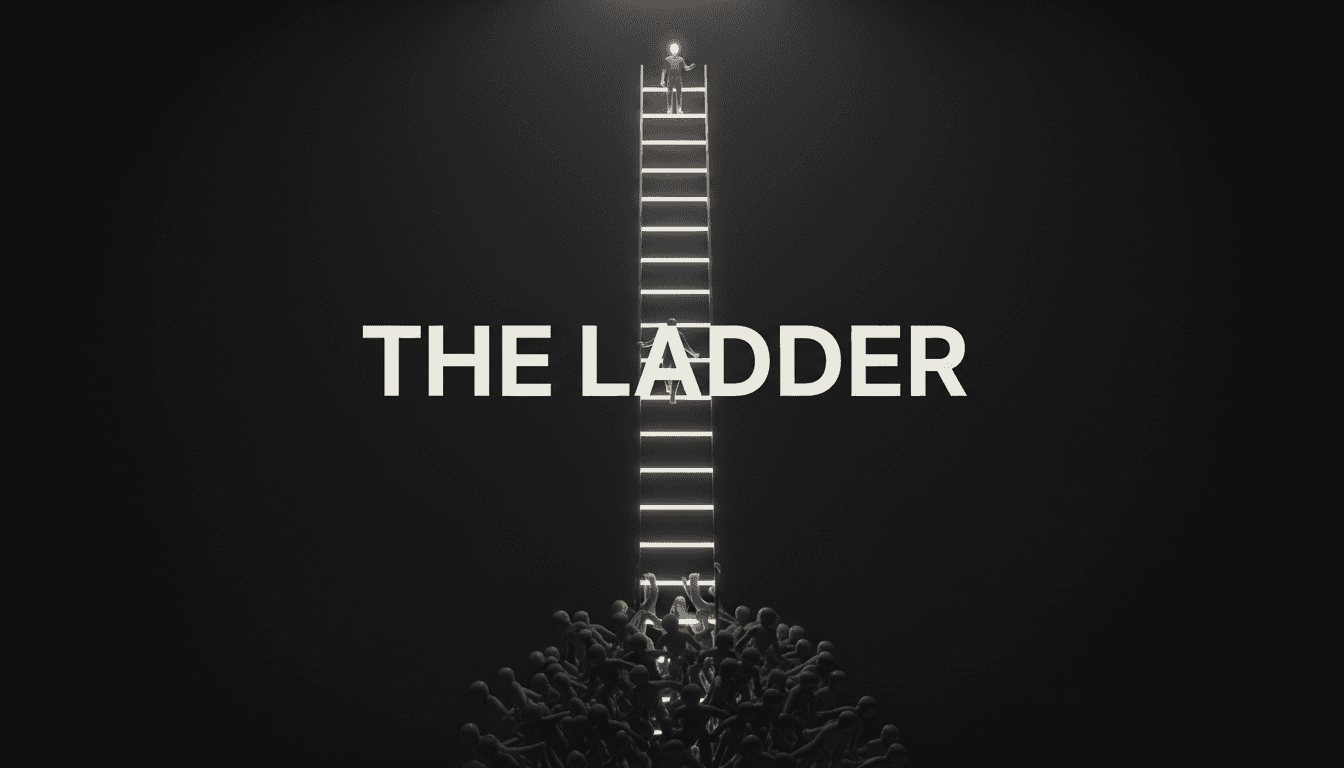
The Positioning Ladder
Think of positioning as three rungs on a ladder.
1. Generalist
“I make content about productivity, business, lifestyle.”
Audience: Broad
Competition: Huge
Pricing power: Low
Retention: Low
Brand deals: High volume, low value
You are competing with everyone. You become “nice to have” rather than “must have.”
2. Specialist
“I help solopreneurs build six-figure businesses.”
Audience: Clear
Competition: Smaller, but still busy
Pricing power: Better
Retention: Better
Brand deals: Fewer, but more aligned
You are useful, but still replaceable.
3. Unique Positioning
“I help former corporate employees transition to indie hacking without losing income.”
Audience: Very specific
Competition: Low
Pricing power: High
Retention: High
Brand deals: Low volume, very high value
This is where the leverage lives. Brands cannot easily swap you out. You are not “a creator in the niche” – you are the creator for this problem.
Why Positioning Creates Leverage
Clear positioning changes three things.
You can be selective
You can say “no” without panic:
“This brand doesn’t fit my audience or my promise.”
Generalists feel they have to take everything. Positioned creators don’t.
You can charge more
If you are one of ten people in the world who speak to “corporate to indie” transitions with real numbers, your price is not set by generic CPM benchmarks. It is set by how much that access is worth to a brand.
Your audience stays longer
People follow generalists for vibes. They follow positioned creators to solve a specific problem. Once they know you are “the person for X,” they keep you in their feed.
A Simple Positioning Framework
Three questions to get specific:
Who is this for?
Not “women” – but “women 35–50 who are leaving corporate roles.”What problem do you help them solve?
Not “personal growth” – but “leaving safely without blowing up their finances.”What is your way of solving it?
Not “motivation” – but “showing the exact financial model you used yourself.”
Put together, it sounds like:
“I help women 35–50 leaving corporate roles avoid financial mistakes by sharing the exact financial models I used during my own transition.”
Now:
Brands selling courses, planning tools or services to that group see a perfect fit
The audience is easy to define in media buys
Your difference is clear and hard to copy without it looking like a copy
The Common Mistake
Most creators position around format instead of problem.
Wrong: “I make short-form videos about personal finance.”
Right: “I help millennial women understand investing without jargon or shame.”
Brands do not wake up wanting “more Reels.”
They wake up wanting “more of this exact person, in this exact situation, to trust us.”
Format is a tactic. Positioning is the asset.
Positioning As IP
Strong positioning becomes its own IP.
If you are known as “the creator who helps corporate people go indie without chaos,” that idea sticks to you. You can then:
Turn it into products (playbooks, cohorts, memberships)
Build formats around it (recurring content series, live sessions)
Build community (events, groups, masterminds)
Competitors can copy your style. If your positioning is tight, they cannot copy your role without looking second-best.
How Positioning Evolves
Most creators don’t nail this on day one. It usually looks like this:
Year 1: “I talk about business and productivity.”
Year 2: “I focus on solopreneurs.”
Year 3: “I help solopreneurs reach their first six-figure year.”
Year 4: “I help service-based solopreneurs productise what they do.”
Year 5: “I’m the go-to person for turning services into productised offers.”
By year five, the creator doesn’t just “have a niche.” They own a lane.
What This Means For Brands
Partnering with a clearly positioned creator does three useful things at once:
You reach exactly the people you care about
You ride on a message that is already trusted
You do not dilute the creator’s brand – you strengthen it
With a generalist, the opposite happens:
Fit is fuzzy
The recommendation feels random
The creator’s positioning gets blurrier after every unrelated deal
As budgets tighten and demand for clear ROI grows, brands will keep moving towards creators whose positioning is this sharp.
Because in the next cycle, “who you are for” will matter more than “how many people you reach.”