The creator economy has quietly crossed a line: the people you used to call “influencers” are now building companies.
27/1/1/25
This is the inflection point.
The creator economy has quietly crossed a line: the people you used to call “influencers” are now building companies.
Most serious creators no longer see themselves as “doing brand deals”. They see themselves as business owners. Recent data puts it clearly: around 77% of creators now identify as running a business, not just an account. That isn’t a rebrand, it is a different way of thinking about time, money and partnership.
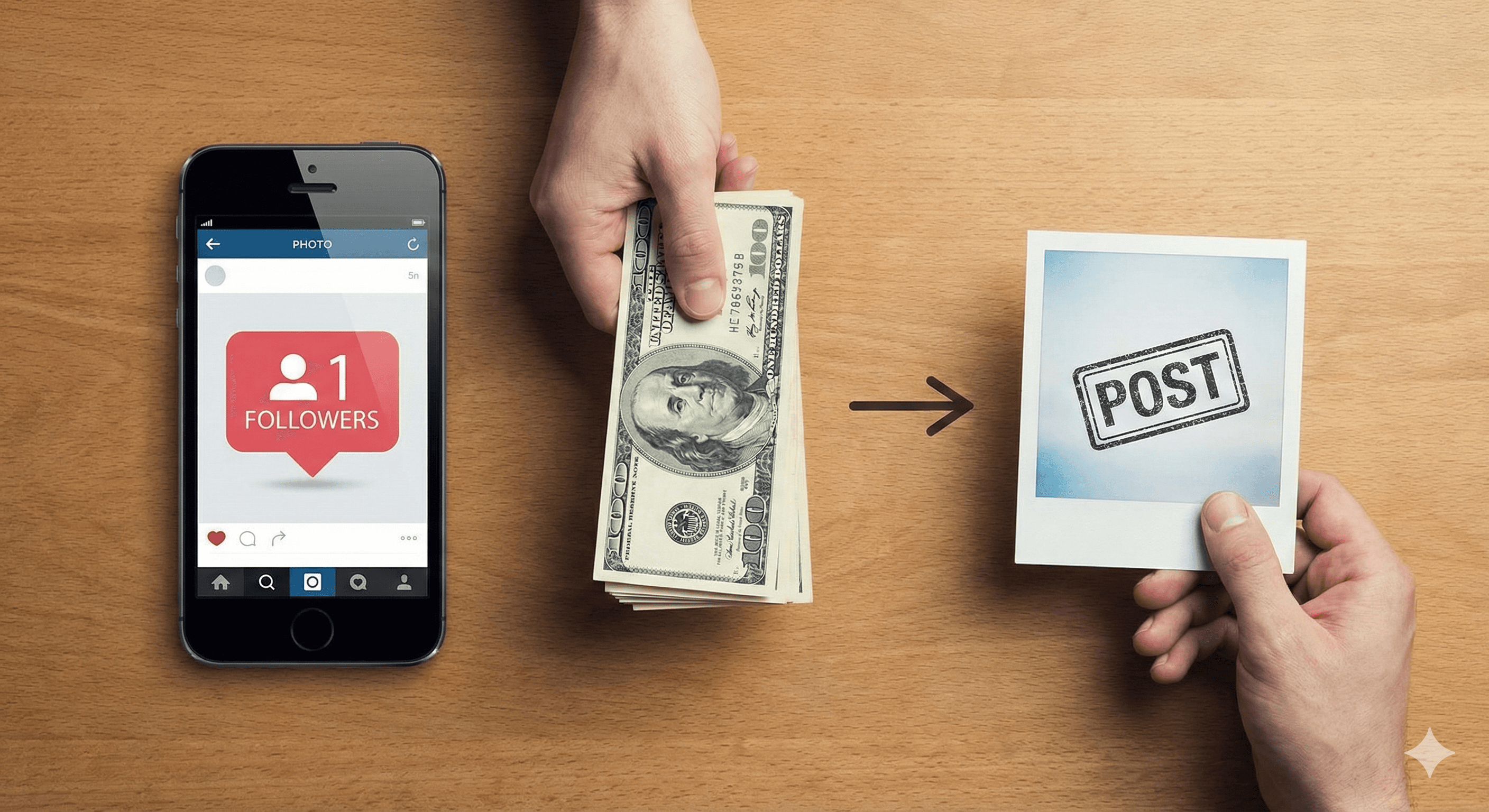
The influencer model (2010–2022)
For more than a decade, the default model looked like this:
I have followers.
You pay me.
I post.
One transaction, one campaign, on to the next. It worked because:
It was hard to build an audience.
Platforms were growing fast, so follower numbers kept climbing.
Brand sponsorships were still novel, so rates stayed high.
But as feeds got crowded, “follower count” started to mean less. Attention got cheaper. Trust did not.
The founder model (2023–2030)
The top tier of creators has already moved on. Their internal script sounds more like this:
I am building a business.
I am diversifying revenue.
I want upside, not just fees.
I am building IP that can live beyond a platform.
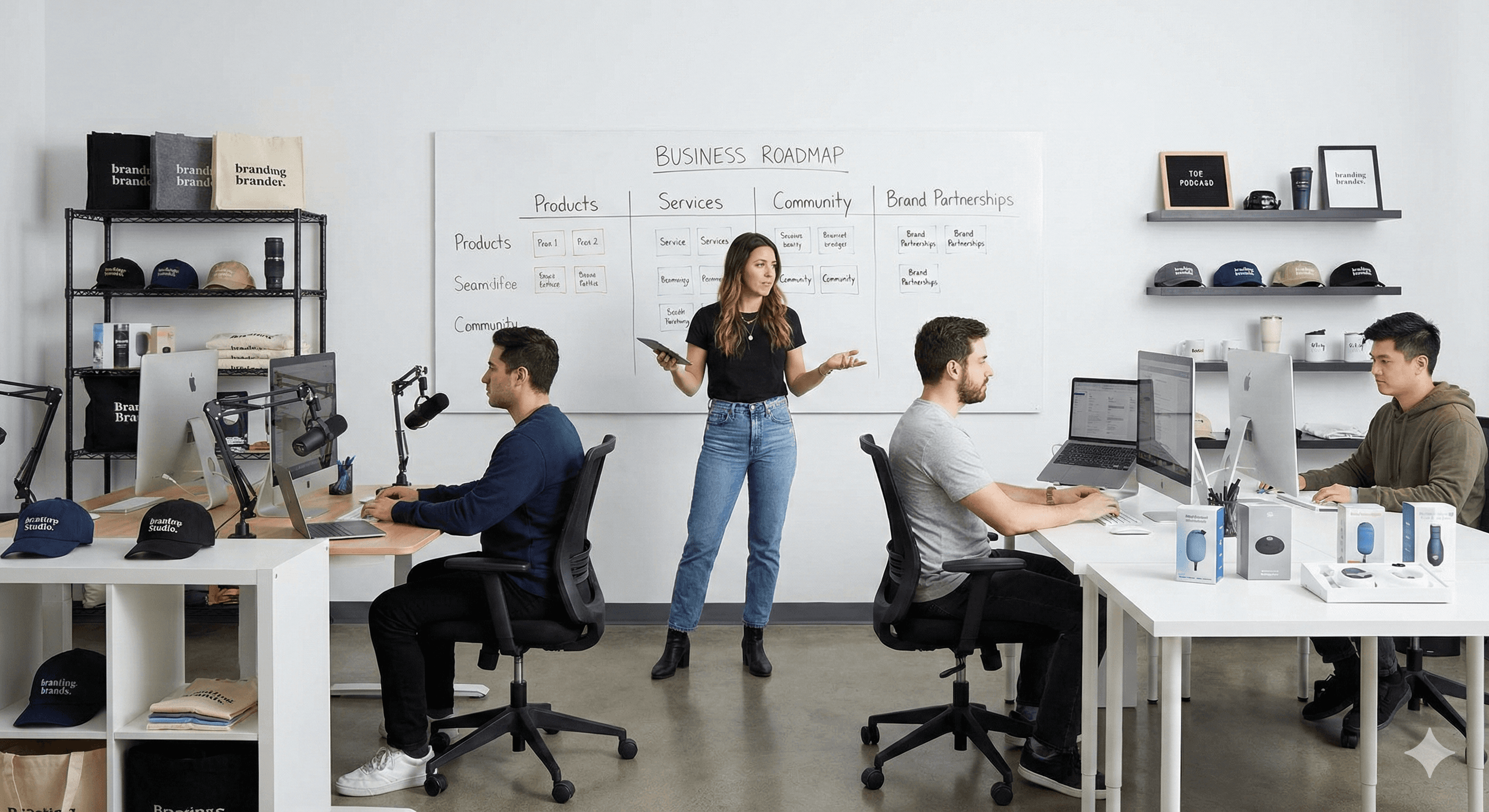
Brand partnerships still matter, but they sit alongside: products, services, communities, equity, revenue share and sometimes external investment.
When you talk to a creator-founder, you are not buying a post. You are asking to be part of their business plan.
The creator earnings reality
The label “creator” hides a very uneven landscape. Roughly:
Around half of creators earn under $15K per year from their work.
A small top slice earns $100K+ and runs proper operations.
An even smaller group is into multiple six figures and above.
That top group is where the founder mindset is fully live. Brand deals might be 30% of their income. The rest comes from their own assets. They have a team, a roadmap and a clear view of where their time produces the most leverage.
Everyone else is somewhere between “freelancer with an audience” and “early-stage founder”.
What this means for brands
If you want to work with the top creator-founders, you are not just competing with other brands. You are competing with their own ideas.
They are asking themselves questions like:
“Is this partnership worth more than launching my own product?”
“Does this deal build my brand or distract from it?”
“Is this a one-off cheque, or can it compound?”
A standard “£X for 3 posts” offer lands very differently when someone is already making good money from their own ecosystem. The creators you most want to work with have enough inbound demand to be selective.
How to know if someone is a creator-founder
You can usually spot it in how they operate:
They have more than one revenue stream, and brand fees are not the majority.
They own direct channels (email list, community, subscriptions), not just social followers.
They have help: an editor, a manager, a VA, partners. It is not a one-person show.
Their content sits on clear pillars and repeatable formats, not random trends.
They sell things that belong to them: products, courses, services, IP.
They talk in timelines longer than “next month’s campaigns”.
By contrast, a classic “influencer” usually relies on one main platform, one main income stream and a more reactive, post-by-post mindset.
How the negotiation needs to change
Old script:
“We’ll pay you £5K for four posts and two stories.”
New script:
“We want to back what you are building. Here is how we see it working: a base fee for your time, plus performance upside on the revenue we drive together, plus the option to build something longer term if it works.”
The detail will change by creator, but the spirit is the same: move from renting attention to investing in a partner.
Why this matters in 2026
By 2026, “influencer” will feel increasingly outdated at the top end of the market. The most effective people in this space will be thinking and acting like founders.
Brands that keep treating them as interchangeable media placements will be left working with the lower tiers: people who are still purely fee-driven, still dependent on sponsorships, still in short-term mode.
The brands that adjust will:
Build fewer, deeper partnerships with real upside on both sides.
Access better creative thinking, because they are speaking founder-to-founder.
Sit closer to the products, communities and IP that creators are building next.
The influencer era did its job. It proved that individuals with attention could move markets.
The founder era is about to prove that those same individuals can build durable companies. The smart move now is to decide which side of that line you want your creator strategy to sit on.
If you’re happy with this tone, next we can wire in the “next reads” tile at the bottom (e.g. linking to the Creator P&L article and the Founder-First Deal Structure one) so this piece becomes the pivot in the series.