
Burnout isn’t just a personal crisis for creators; it’s a portfolio risk for brands.
09/02/26
Burnout isn’t just a personal crisis for creators; it’s a portfolio risk for brands.
Recent studies show 62% of North American creators report burnout, rising to around 80% for those who’ve been doing this for eight years or more. In one survey of 1,000 creators, 52% had experienced career-related burnout and 37% had considered quitting altogether.
Around 69% face financial instability. Over half say their self-worth drops when content underperforms. One in ten report suicidal thoughts.
In a market projected to reach roughly 480bn by 2027, this isn’t background noise. It’s the single biggest threat to your top creators – and to the partnerships built around them.
Burnout Is Structural, Not Personal
Most “advice” frames burnout as a mindset issue. For creators, it’s baked into the model.
1. Role overload
A serious creator is never “just” a creator.
They are the content producer, the community manager, the client handler, the operator, the marketer and the CEO. They’re writing, filming, editing, replying to comments, negotiating contracts, chasing invoices, planning launches and trying to think three steps ahead.
Harvard-linked research ties this “always on, many hats” reality to higher rates of anxiety, depression and burnout. Other studies list creative fatigue, demanding workloads and constant screen time as the most common triggers.
The problem isn’t that creators are “bad at balance.” The structure is unsustainable.
2. Algorithmic precarity
Most creator revenue still depends on platforms they don’t control.
A small algorithm change, a shadowban or a trend shift can kill reach for weeks. When views drop, brand deals dry up, affiliate income falls and the pressure to “post more” spikes.
Nearly 70% of creators report financial instability. Many are already cutting back on content because of burnout, which only deepens the volatility. It’s a flywheel in reverse.
3. Identity fusion
For a lot of creators, the brand is them.
When a video flops, it doesn’t feel like “this format underperformed.” It feels like “I’m falling off.” Over half say their self-worth declines when content underperforms. A big chunk point directly at toxic productivity culture as a driver.
The outcome is predictable: stalled careers, abandoned channels, opportunities missed. Nearly six in ten say burnout has blocked their growth. More than a third have thought seriously about quitting.
For brands, that’s your best partners quietly slipping out the side door.
How Burnout Shows Up in Partnerships
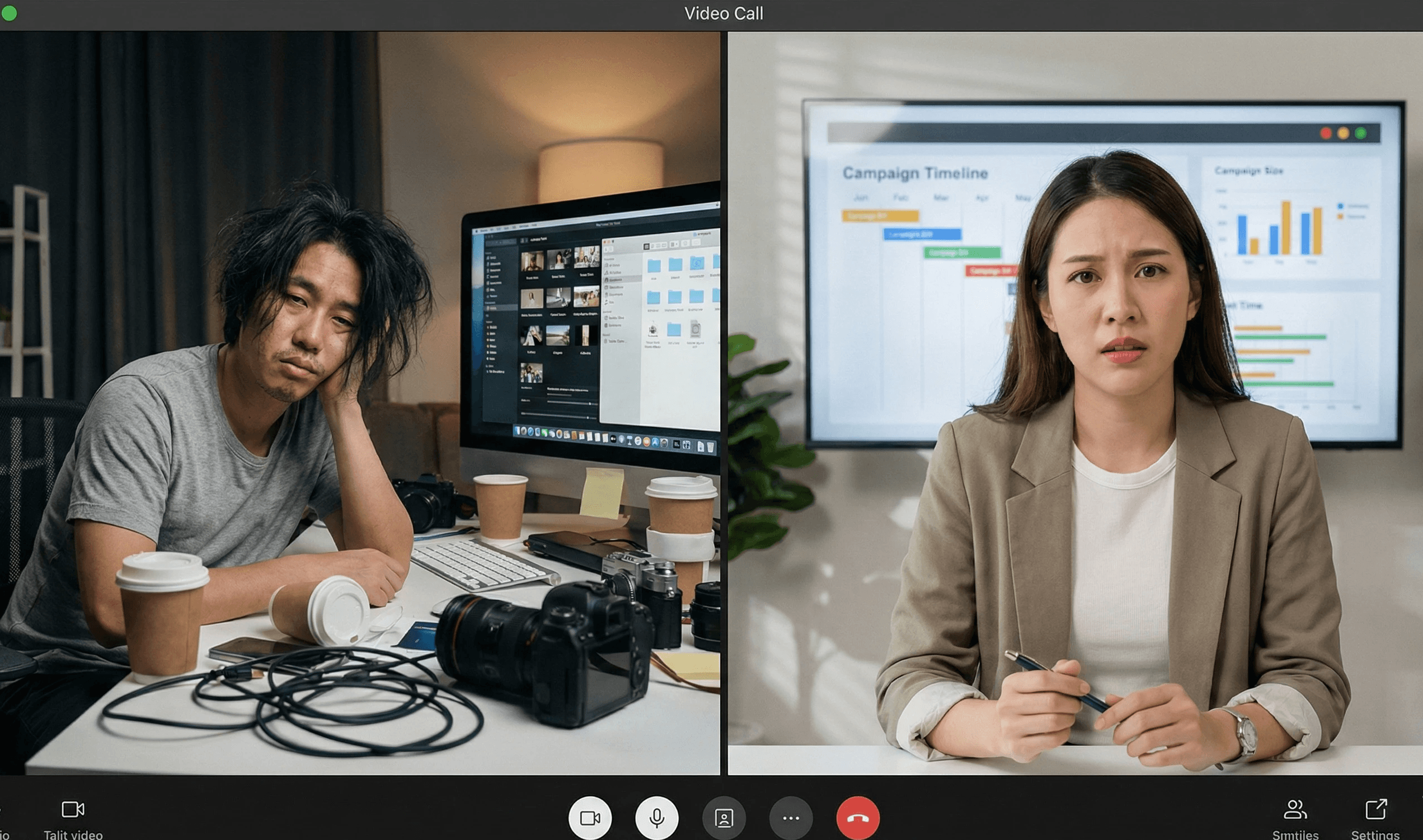
Brands often see the signals before the creator fully names what’s happening.
Posting goes from consistent to sporadic. Content still arrives, but it’s rushed, safer, less distinctive and performance dips. Emails and WhatsApps take longer to answer. Soft deadlines slide.
You might see last-minute changes to scope, sudden requests to hike fees, or pushback on previously agreed timelines. The tone shifts: someone who used to be energetic and collaborative starts sounding flat, defensive or checked out.
Creator wellbeing data shows burnout rates rising with tenure: roughly two-thirds for those in their first couple of years, up to around 80% once they’ve been in the game eight years or more.
The more experienced and valuable the creator, the higher the risk.
Why Burnout Is a Portfolio Risk
When a Tier 1 creator burns out, you don’t just lose “a channel.”
You lose a high-performing asset in a market where the top 10% of creators capture over 60% of payments. You absorb scramble cost: sourcing, vetting and onboarding someone new, while deals and timelines are already in motion.
You lose institutional knowledge – what has worked with that creator, what hasn’t, the nuances that don’t live in a deck. In some cases, you carry reputational risk if a burnt-out creator vents publicly about brands, briefs or campaign pressure.
Studies show burnout isn’t isolated. It hits careers, health and decision-making. It’s already influencing which partnerships creators keep, and which they quietly decline.
Your top creators are actively pruning their calendars. If you are not seen as a “sustainable partner,” you sit in the danger zone.
How Brands Can Actually Help (Without Overstepping)
You can’t fix everything in a creator’s life. But you can design partnerships that reduce friction instead of adding to it – and that alone changes the risk profile.
1. Stabilise their income
Move from one-off bursts to retainers or multi-month agreements where it makes sense. That allows creators to plan, hire and invest in their own systems.
Pay fast. Thirty days, not ninety.
Where possible, structure deals as base + upside. A solid floor covers their time and costs; performance bonuses or revenue share reward outperformance without turning every month into an all-or-nothing gamble.
2. Reduce operational load
Every extra loop of feedback or ambiguity costs energy.
Cap revisions and set clear timelines for feedback. Provide pre-approved assets – logos, colour codes, brand lines – so they aren’t rebuilding your positioning from scratch each time.
Use simple, standardised briefs and contract templates across your team so creators aren’t renegotiating fundamentals with every brand contact.
Respect lead times. “Can we get this tomorrow?” should be the rare exception, not the norm.
3. Fund their systems
Many creators know they should hire help. What they lack is the margin and confidence to do it.
You can explicitly support that by earmarking a slice of budget for operations. For example: “We’ve factored in budget for your editor / VA / shooter for this term.”
Share your trusted freelancer pool if you have one. Offer credits or access to tools they already need – editing, scheduling, analytics – instead of just gifting product.
You’re not building their business for them, but you’re helping build the scaffolding that keeps the partnership running smoothly.
4. Check in like a partner
Before dropping a new brief, ask about capacity.
Celebrate consistency and quality, not just viral spikes. Be the brand that renews early and clearly communicates long-term intent, rather than leaving creators to read between the lines.
Most creators don’t have structured mental health support. You are not their therapist, but you can choose to be low-friction. In a calendar full of stressful clients, being “the easy one to work with” is a serious competitive advantage.
What Sustainable Support Looks Like in Practice
The “Retainer + Systems” play
A mid-sized DTC brand partners with a top creator on a 12-month basis. They agree a 12k/month retainer for four core posts plus community integration.
Around 20% of that budget is explicitly earmarked for the creator’s VA/editor.
Eighteen months later, that creator has delivered consistently while others in the same category have taken breaks, missed deadlines or disappeared.
The brand hasn’t just bought content. They’ve helped fund the system that keeps it coming.
The “Friction-Free” playbook
A B2B SaaS brand builds a standard creator contract and workflow:
Two revision rounds as a maximum. Five business days for feedback, after which silence counts as approval. A simple, pre-built asset and messaging library that every creator gets upfront.
The result: creators request renewals and refer friends because the brand is easy to work with.
None of this is charity. It’s investment in reliability.
The Numbers That Should Change How You Operate
Burnout rates above 60%, rising to around 80% for long-tenure creators.
Over a third actively considering quitting.
Roughly 69% facing financial instability, with almost six in ten tying their self-worth to performance metrics.
More than half naming creative fatigue as the main trigger.
In a market where a small top tier captures most of the spend, losing your Tier 1 and Tier 2 creators to burnout isn’t a minor setback. It’s a structural hit to your creator strategy.
The Strategic Bottom Line
Burnout is the biggest threat to the sustainability of creator businesses – and by extension, to the creator portfolios brands rely on.
If you treat creators like infinite content machines, you’ll see churn, inconsistency and declining quality. If you treat them like humans running real businesses, you’ll see loyalty, reliability and outperformance over time.
The brands that win in this market will be the ones creators choose to keep when everything else feels too heavy.
Those are the partnerships that compound.