How skincare brands should use creators in 2026
03/03/26
How skincare brands should use creators in 2026
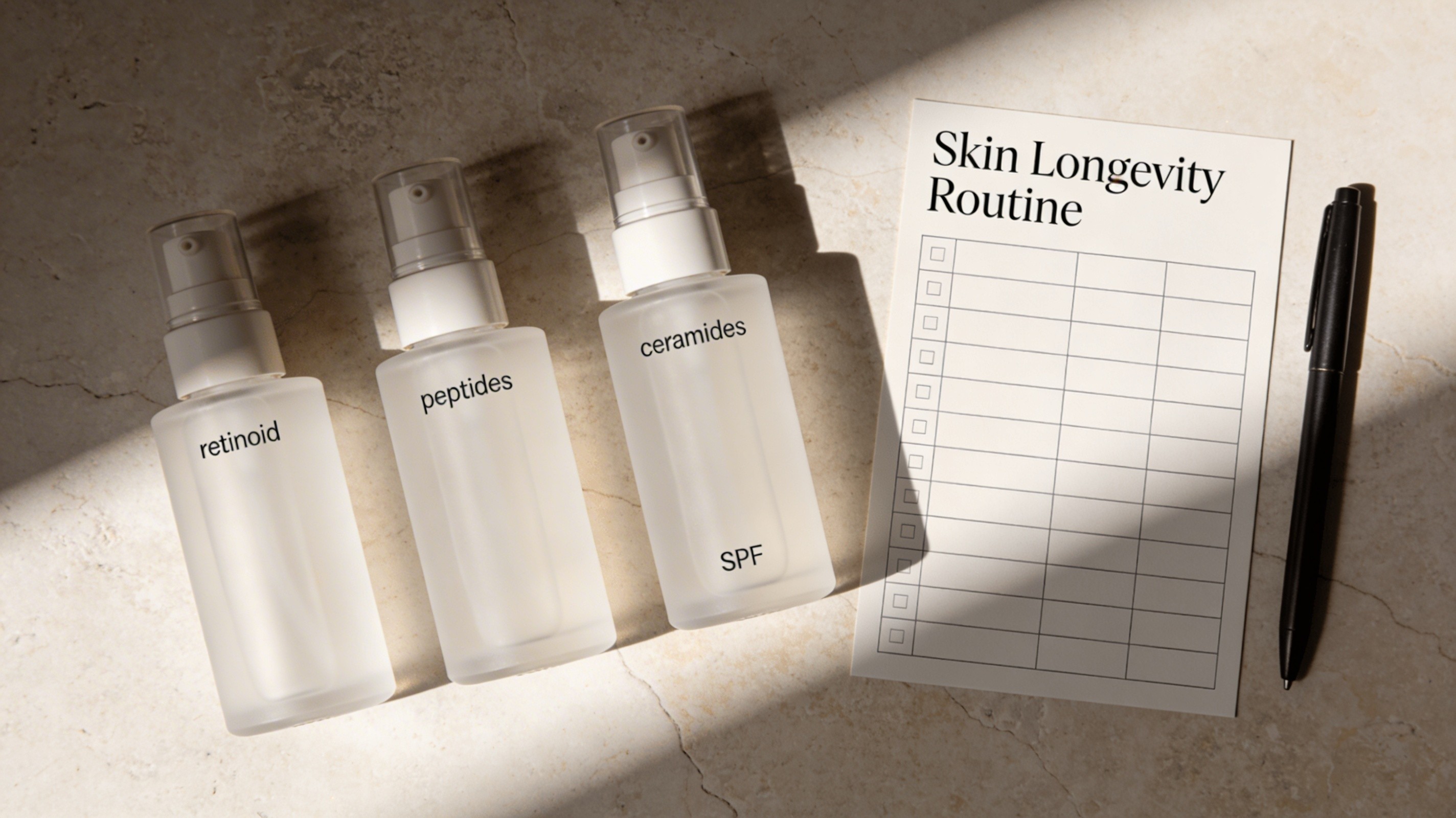
In 2026, “anti-ageing” is out.
Skin longevity is in.
And derm-backed creators are becoming the front row of every serious skincare launch.
The brands winning aren’t louder.
They’re more clinical.
More structured.
And more disciplined about proof.
Skincare has moved from glow culture to protocol culture.
Creator strategy has to follow.
1. From Glow to Longevity
The macro shift is clear.
Consumers are moving away from:
• Quick-fix glow
• 12 step aesthetic routines
• “Miracle” claims
Toward:
• Barrier repair
• Microbiome support
• Prevention
• Cellular resilience
• Fewer, stronger actives
Language has evolved.
“Anti-ageing” now sounds dated.
Longevity, resilience, regeneration and recovery dominate the category.
Routines are getting shorter.
But they’re getting smarter.
That means creator strategy cannot rely on viral moments.
It must support education, sequencing and long-term protocol arcs.
2. Dermfluencers Are the New Authority Layer
Consumers are pushing back against misinformation.
Dermatologists, aesthetic doctors and science-led creators have become commercial drivers, not just credibility add-ons.
Dermfluencer content works because it:
• Translates exosomes, peptides and PDRN into real language
• Explains mechanism of action
• Validates or debunks claims
• Frames realistic expectations
Brands that treat derm creators as a “quote for the press release” are behind.
The expert layer must be embedded in the creator stack from the beginning.
Authority is no longer optional in skincare.
It’s infrastructure.
3. What “Receipts” Look Like in 2026
Proof has evolved.
Flatlays are not proof.
Before and after without context is not proof.
Receipts now mean:
• Time-stamped skin diaries
• Routine trackers over 30–90 days
• Ingredient explainers
• Mechanism walkthroughs
• Patch tests
• User-reported outcomes
• Derm commentary layered onto real usage
The de-influencing wave didn’t kill skincare marketing.
It forced it to mature.
If you’re briefing creators, specify the proof.
Don’t just ask them to “share results.”
Define what validation looks like.
4. How Skincare Brands Should Structure Creator Programs
This is where most brands still operate incorrectly.
1. Design a creator stack
Expert tier
Derms and aestheticians who define the science.
Authority community
Mid-sized creators who test, compare and iterate over time.
Reach layer
Aesthetic storytellers who translate protocol into aspiration.
2. Brief for protocols, not posts
Move from:
One-off sponsorships
To:
30–90 day arcs
Check-ins
Problem-specific journeys
Ingredient myth-busting
Anchor content around real issues:
Barrier repair
Post-procedure skin
Hyperpigmentation
Acne
Sensitivity
3. Measure depth, not just reach
Track:
Saves
Routine screenshots
Comment quality
Repeat mentions
Repeat purchase indicators
And make sure landing pages mirror the same science-led narrative.
If the creator is clinical but your PDP reads like 2018 beauty copy, you break trust.
5. The Risk of Getting It Wrong
Over-claiming biotech.
Overselling longevity.
Using aesthetic creators who can’t explain the formula.
In 2026, that gets called out publicly.
Derm creators are comfortable debunking.
Consumers are comfortable questioning.
Skincare is no longer just aesthetic marketing.
It’s credibility marketing.
If creators are still treated as “pretty ad slots,” you lose to brands building science-backed ecosystems.
In this category, the creator is no longer the face of the campaign.
They are:
The explainer.
The protocol designer.
And the proof.