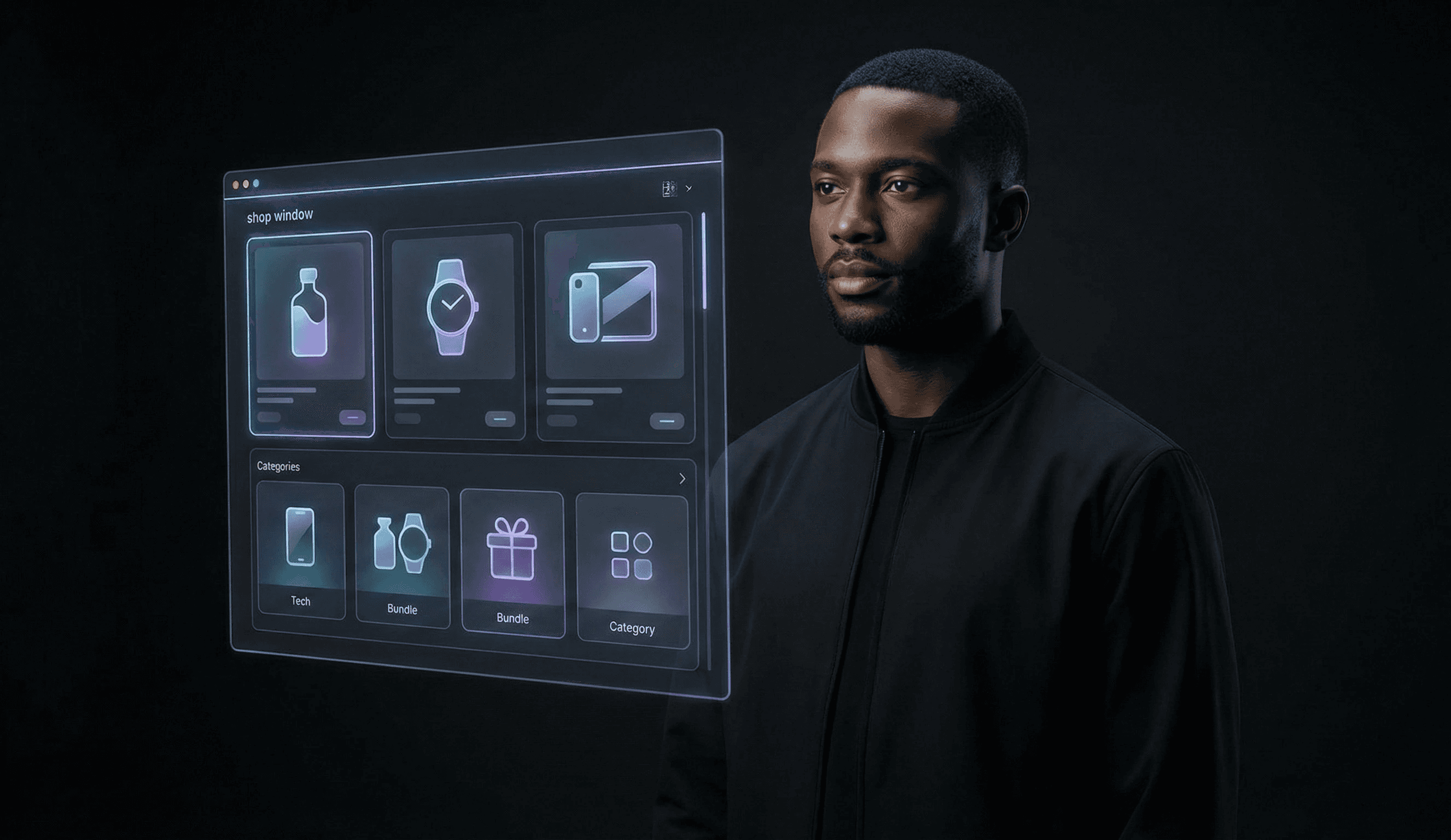
“Link in bio” was Creator Commerce 1.0.
11/02/26
THE BRIEF: Creator Storefronts 2.0 – From Links to Full-Funnel Retail
“Link in bio” was Creator Commerce 1.0.
Creator Storefronts 2.0 are something else: embedded retail where discovery, validation, and checkout all live in one flow – inside platforms and retailer ecosystems – with the creator as the front door.
TikTok Shop, YouTube Shopping + Shopify, Amazon/Target/Sephora influencer storefronts, and live shopping are all converging into a creator-as-store paradigm.
If you’re still treating storefronts as “nice extra affiliate links,” you’re missing that they’re now full-funnel retail media channels.
From Affiliate Links to Embedded Stores
Storefronts 2.0 are defined by a few structural shifts:
On-platform checkout
People can buy without leaving the app. TikTok Shop, Instagram and YouTube Shopping compress the journey from “I just saw this” to “I own this” into a single environment.
Retailer-hosted storefronts
Amazon, Target, Sephora, Best Buy and others give creators curated mini-shops on their own domains.
Discovery, creator validation, reviews and checkout all sit on the retailer’s real estate.
Live + shoppable video
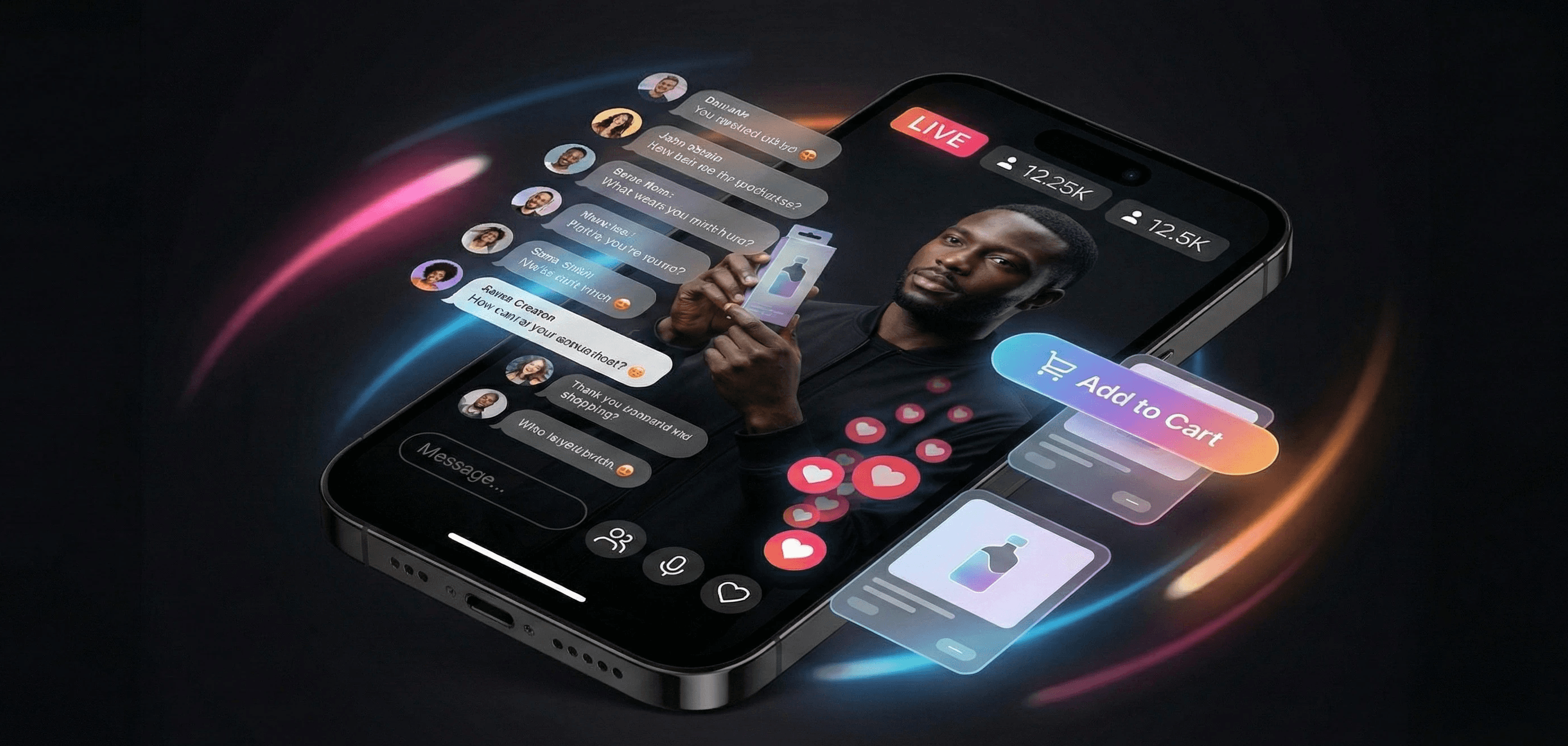
US live ecommerce is growing fast, with livestream conversion often in the 9–30% range vs 2–3% for standard ecommerce.
One live session can do for a collection what weeks of static ads can’t.
The net effect: storefronts are no longer “links out.”
They’re creator-owned retail space embedded inside platforms and retailers.
TikTok Shop, YouTube Shopping and Live Commerce: The New Mall
TikTok Shop and YouTube Shopping are the clearest examples of Storefronts 2.0 in motion.
TikTok Shop
Shoppable videos and LIVES with native checkout.
Creator tools for commission, product tagging and real-time sales analytics.
A built-in affiliate engine where creators anchor their own “shop” inside TikTok.
YouTube Shopping + Shopify
Direct integration between YouTube channels and Shopify.
Product shelves and tagged products on evergreen videos.
Orders and customer data live in Shopify while checkout happens on YouTube.
Overlay live shopping on top of this and the model gets sharper:
short-form video for discovery, live for urgency, storefronts for continuity.
This isn’t a gimmick channel. For the right categories, it’s a new primary route to market.
Retailer Storefronts: Creator as Retail Media Unit
Beyond social platforms, retailers are building their own creator layers.
Creator storefronts on Amazon, Target, Sephora, and similar:
Keep shoppers on-site for the full journey.
Layer creator endorsement on top of ratings and reviews.
Turn creators into ongoing retail media placements, not just referral traffic.
From the creator side, these storefronts are effectively micro-retailer licences:
A branded space they can treat as “their shop” inside a trusted retailer.
Clearer affiliate economics and better tracking.
The ability to curate around themes and routines, not just one-off links.
The catch:
Storefronts compete for visibility.
Managing multiple shops (Amazon, Target, Sephora, TikTok Shop, etc.) quickly becomes an operational job in itself.
This is where operators matter. Someone has to decide which storefronts to prioritise, how to route traffic, and how to avoid dilution.
Storefronts as Full-Funnel Retail Media
Storefronts 2.0 collapse the funnel:
Top of funnel: Creator content on TikTok/YouTube/IG drives discovery.
Middle of funnel: Storefronts host curated collections, bundles, reviews and creator context.
Bottom of funnel: Checkout happens right there, on TikTok Shop or the retailer domain.
“Link in bio” pushed people out to a website.
Storefronts 2.0 keep them in one ecosystem from first impression to payment, with the creator as the guide.
Even though consumer behaviour is still early (only a small slice have bought via live shopping so far), the underlying mechanics are strong: higher intent, higher conversion, less friction.
The Brand Playbook: Architect a Storefront Ecosystem
For brands, the shift is from “we have an affiliate programme” to “we run a storefront portfolio.”
Four key decisions.
1. Platform prioritisation
You don’t need to be everywhere. You need a stack that makes sense for your category and price point:
TikTok Shop for impulse, trends, and live shopping moments.
YouTube Shopping for evergreen, search-driven products and education.
Retailer storefronts (Amazon, Target, Sephora etc.) for high-trust, high-intent shoppers.
IG/FB for retargeting and social proof.
The question isn’t “Which platform is hot?” It’s “Where does my category naturally convert?”
2. Creator roles
Not every creator should be used the same way.
A-tier creator-hosts – faces of hero lives and tentpole launches.
B-tier niche curators – micro creators whose storefronts drive consistent long-tail sales.
UGC / internal creators – producing assets to stock your storefronts and shoppable feeds.
Think in roles: host, curator, content engine.
3. Merchandising and bundling
Treat creator storefronts like proper retail:
Curated collections (“Desk Setup Under £100”, “Skin Reset Routine”).
Cross-category bundles that solve a problem, not just sell a brand.
Seasonal drops and collabs mapped to the retail calendar (Q4, summer, back-to-school).
Creators are at their best when they’re merchandising stories, not just listing SKUs.
4. Attribution and economics
If multiple creators and storefronts are in play, you need clear rules:
How revenue is credited across livestreams, shoppable videos and storefronts.
Commission tiers (e.g. higher commission for strategic categories or new launches).
Where fixed fees make sense vs pure performance vs hybrid.
The goal is a model where top storefront partners feel like merchants, not affiliates waiting for crumbs.
The Creator Playbook: From Recommender to Shopkeeper
For creators, Storefronts 2.0 are an upgrade from “I recommend things” to “I run a shop my audience trusts.”
That means:
Treating each storefront as a curated experience, not a dumping ground.
Organising around themes, problems and rituals (“Morning Routine”, “Editing Setup”, “Starter Kit”) rather than random brand lists.
Integrating storefronts into content formats:
“Shop with me,” “Tour my storefront,” “Everything from my latest live is saved here.”Picking one or two flagship storefronts to go deep on, instead of half-committing to ten.
Micro-creators with tight communities are especially well positioned here. Their audiences already treat their recommendations as high-trust signals; the storefront just makes that trust shoppable.
The Strategic Bottom Line
By 2026, three things are true at once:
Social and live commerce are compounding fast; live shopping is on track to take a meaningful share of ecommerce.
Creator ad spend is growing several times faster than the wider media market.
Platforms and retailers are converging on the same structure: creator storefronts as persistent retail media nodes at the edge of their ecosystem.
Storefronts 1.0 were about links and lists.
Storefronts 2.0 are about full-funnel retail:
Creators as merchants and merchandisers, not just promoters.
Brands treating storefronts as strategic distribution, not afterthought affiliate links.
Operators (like Sobio) designing and running storefront portfolios the same way you manage your creator portfolio: tiered, measured, and optimised over time.
If “creator as founder” is the thesis, “creator as store” is one of the clearest, most monetisable proofs.