
Amazon just pulled off the biggest power shift in advertising since Google consolidated search.
26/02/26
Amazon just pulled off the biggest power shift in advertising since Google consolidated search.
Netflix, Spotify and Roku have opened inventory and data pipes to Amazon’s DSP.
That means decades of purchase behaviour from 300 million plus shoppers now sits behind streaming ads.
Google knows what people search.
Meta knows what they scroll.
Amazon knows what they actually buy.
If you’re still treating streaming as a soft awareness bucket, you’re behind.
This is not about running “TV ads on Netflix.”
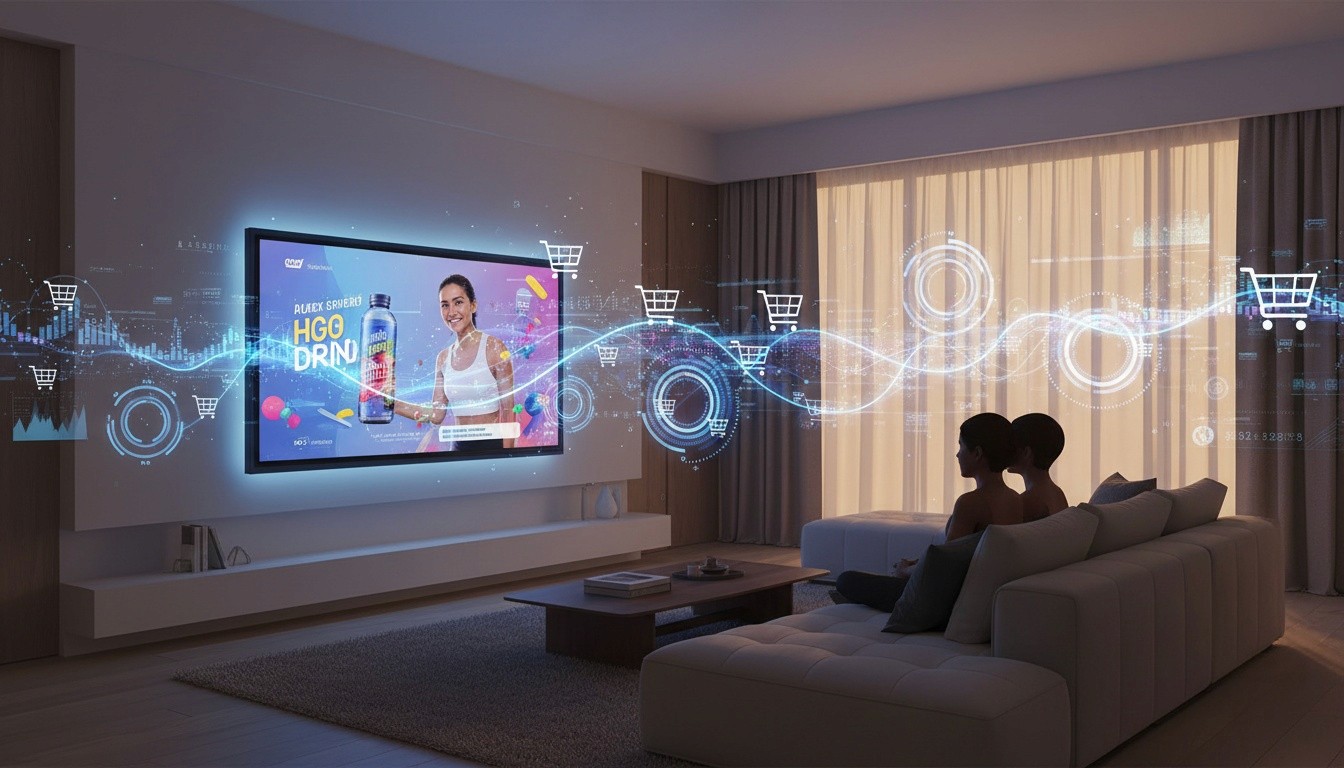
It’s about buying premium streaming inventory through one system, targeting based on purchase behaviour, and connecting couch to cart in a measurable way.
1. The Walled Gardens Just Collapsed
For years, streaming was fragmented.
Netflix had limited access.
Spotify ran its own stack.
Roku sold direct.
Everyone had separate reporting.
That changed.
Spotify opened inventory to Amazon in late 2025.
Roku followed.
Netflix joined.
Amazon’s DSP now sits in the middle of most streaming households.
One platform.
One budget.
One reporting layer.
This mirrors what Google did to search twenty years ago.
Consolidation always precedes control.
2. Amazon’s Unfair Data Advantage
Every major ad platform infers intent.
Google uses search queries.
Meta uses engagement signals.
Streaming platforms use content context.
Amazon uses purchase history.
It knows what you bought.
When you bought it.
How often you replenish it.
Example.
Google sees someone search “best dog food.”
Meta sees someone follow dog pages.
Amazon sees someone bought a specific dog food brand three weeks ago and is likely about to reorder.
That purchase data can now inform streaming targeting.
The leap is not limited to products sold on Amazon.
An electrician training programme can target users buying multimeters and trade manuals.
A SaaS brand can target software buyers in adjacent categories.
In a cookieless world, first-party purchase data is leverage.
Amazon does not depend on third-party cookies.
That matters more each year.
3. How Programmatic Works in This Context
Programmatic sounds complicated.
It isn’t.
You log into Amazon DSP.
Upload video creative.
Define your audience.
Set your budget.
Amazon’s system bids in real time across:
Netflix
Prime Video
Disney streaming properties
Live sports
Spotify
Roku
Open exchanges
For ecommerce brands, measurement can be closed loop.
Impression to cart to purchase.
For non-ecommerce brands, Amazon uses household identity.
See an ad on TV.
Submit a form on your phone.
Amazon connects the dots.
CTV is no longer just reach.
It’s measurable influence.
4. Who This Is Actually For
Amazon DSP is not a small-budget experiment.
It makes sense for:
Ecommerce brands already winning on Amazon with consistent sales and strong reviews.
Mid-market brands with structured performance budgets who can test streaming as part of a broader acquisition strategy.
Enterprise brands looking to consolidate fragmented streaming spend.
If you’re small and local, this is not step one.
Build predictable acquisition on Google and Meta first.
Then layer Amazon when your data and budget justify it.
5. Why This Feels Like Early Google Ads
We’ve seen this pattern before.
Early Google Ads were underpriced and underused.
Later, they became unavoidable.
Amazon DSP is in that early optional phase.
Streaming inventory is not fully priced in.
Few brands understand how to use shoppable streaming properly.
The upside for early movers is not just cheaper media.
It’s institutional learning.
Understanding audiences before costs inflate.
Building internal playbooks before the channel becomes mandatory.
Amazon’s intent is clear.
Full-funnel infrastructure.
Heavy AI optimisation.
Aggressive sports and premium content rights.
This is not an experiment.
It’s consolidation.
The real question for founder brands is simple.
Are you learning this while there is slack in the system?
Or will you adopt it once it becomes expensive and crowded?
In asset terms:
Are you early to the new default
or late to the new baseline?