Where 2.5% Engagement Lives
06/01/26
The historical bias toward macro-influencers (500K+ followers) is costing brands millions in wasted spend. A micro-creator with 10K–100K followers consistently delivers 2.5% engagement compared to 1% for macro accounts. [1] This isn't marginal, it's 2.5x better unit economics for a fraction of the cost.
Yet most brand budgets remain skewed toward macro (prestige bias, easier negotiations, perception of reach). This is leaving high-ROI capital on the table.
The Micro-Creator Advantage
Micro-creators win because their audiences are actually engaged. They're communities, not followers. Macro-influencers operate at scale; engagement is diluted by audience size, bot followers, and decay. Micro-creators haven't yet optimized for growth at the expense of authenticity. Their audience is listening.
The math is brutal in macro's favor: a 1M follower creator getting 1% engagement = 10K engagements. A 50K follower creator getting 2.5% engagement = 1,250 engagements. Same audience reach, 8x lower engagement, and the 50K creator costs 1/20th the fee.
On a per-engagement basis, micro creators are 40–50x more efficient.
Why Brands Underweight Micro
Three reasons:
Negotiation friction: It's harder to negotiate with 100 creators than 2. Operations are messier. Contracts are repetitive. Some creators flake. Brands have historically chosen to concentrate budget with fewer, larger creators to reduce operational burden.
Vanity metrics: Reach is easier to report than efficiency. A CMO can say "We partnered with macro-influencers and got 5M impressions" and it sounds impressive, even if it generated zero conversions.
Lazy media buying: Agencies benefit from fewer, larger deals (easier commissions, deeper relationships, simpler reporting). They're incentivized to sell macro, not optimize for client ROI.
The Micro Operating System
Smart brands aren't abandoning macro. They're building a systematic micro-creator engine that makes the operational complexity disappear:
Phase 1: Sourcing – Use AI-powered discovery tools (CreatorIQ, etc.) to identify micro-creators in your niche, not generic. Build a database of 500–1,000 qualified micro-creators, tiered by engagement rate, audience fit, and track record.
Phase 2: Batching – Rather than briefing creators individually (massively inefficient), create tiered brief templates. Tier A creators get custom briefs. Tier B get semi-custom templates. Tier C get standard briefs with minimal customization. This reduces per-creator coordination time from 3 hours to 30 minutes.
Phase 3: Standard Contracts – Create a 2-page creator agreement that works for 80% of micro-creators. Legal overhead disappears. Turnaround time drops from 2 weeks to 2 days.
Phase 4: Automation – Use tools like Make or Zapier to automatically send briefs, collect assets, post content, and pull reporting. The manual coordination that makes micro-creator programs feel burdensome becomes invisible.
Phase 5: Tiering by Performance – Track which creators deliver highest engagement. Promote top performers to higher tiers. Increase their fees, frequency, and investment. This creates loyalty and concentrates spend on what's working.
Within 90 days of implementation, a brand can be running a micro-creator program at scale 300+ creators, 2–3 posts/week, <20 hours of internal coordination. The per-creator cost is lower, the engagement is higher, and the operations are actually simpler than managing 10 macro accounts.
The Hidden Benefit: Community
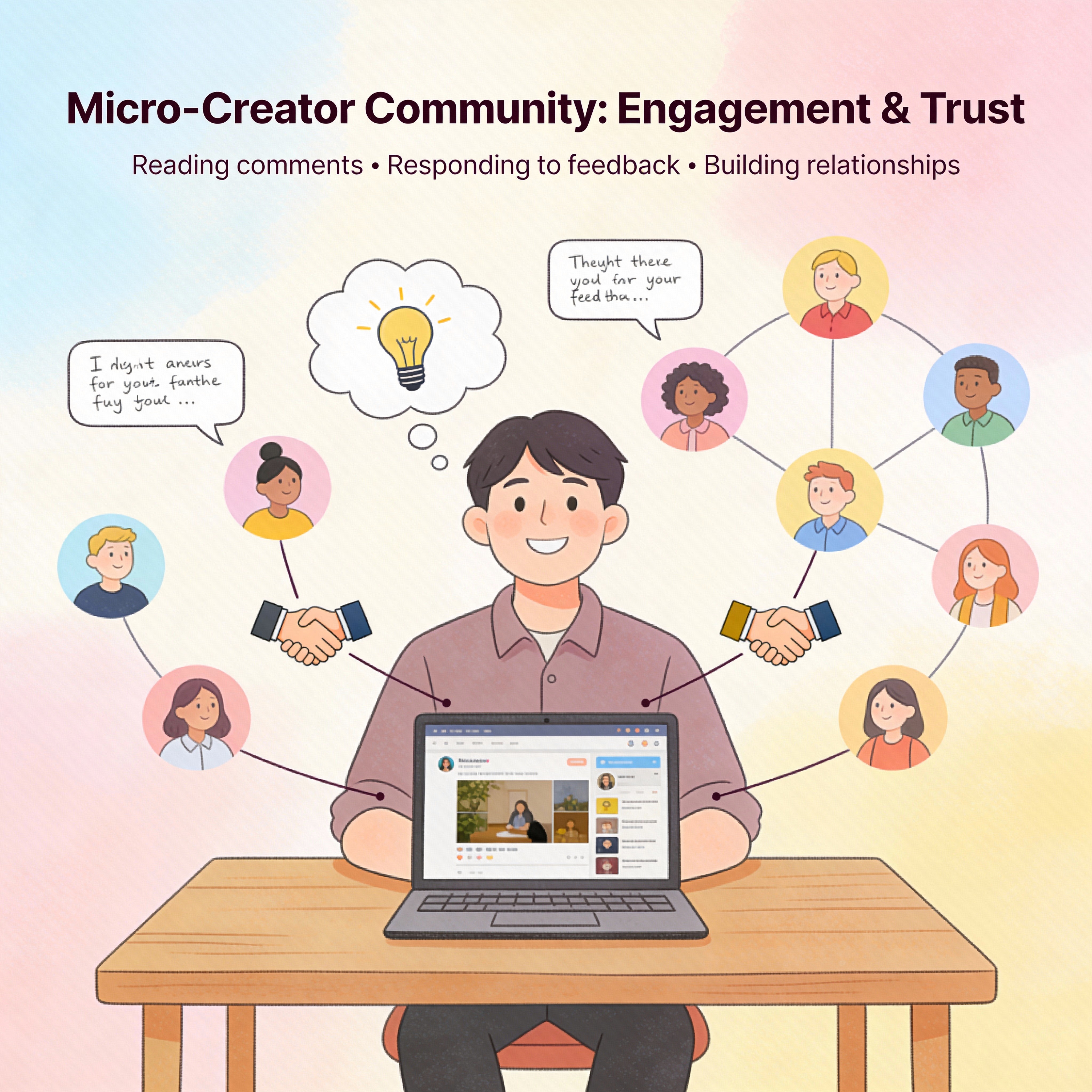
Micro-creators aren't just more engaged, they have communities. They read comments. They respond to feedback. They build relationships. This matters because when you partner with a micro-creator, you're not just getting content; you're getting endorsed access to a community that trusts that creator's voice.
This is particularly valuable for product testing, beta launches, and category innovation. A macro-influencer posts; 1% see it. A micro-creator posts; 70% of their audience engages, comments, and tries the product. The difference in feedback quality and real customer insight is staggering.
The Inflection Point
By 2026, the macro-influencer prestige tax will erode further. Brands will increasingly recognise that 100 micro-creators delivering 2.5% engagement each beat 5 macro-creators delivering 1% engagement. The operational friction that made micro difficult is dissolving as tools and templates improve.
The brands that build their micro-creator engine early (2025–2026) will have a 2–3 year advantage. By 2029, this will be table stakes. By then, it will be too late to differentiate.
Citations: [1] Micro-creator engagement 2.5% vs. 1% macro (Influencer Marketing Hub, 2025); Unit economics analysis (multiple sources, 2025)